Milk Street Kitchen Home

Category

Cooking Techniques

28 articles

Salting Fish Is Tricky — Here's the Narrow Window Where It Goes From Ruined to Perfect

Salting Fish Is Tricky — Here's the Narrow Window Where It Goes From Ruined to Perfect

Salt transforms fish more quickly and more dramatically than almost any other protein — and that speed cuts both ways. Applied at the right moment and in the right amount, it produces flesh that's seasoned through, tender, and moist. Applied wrong, it turns your fillet into something mealy and waterlogged before it ever hits the pan.

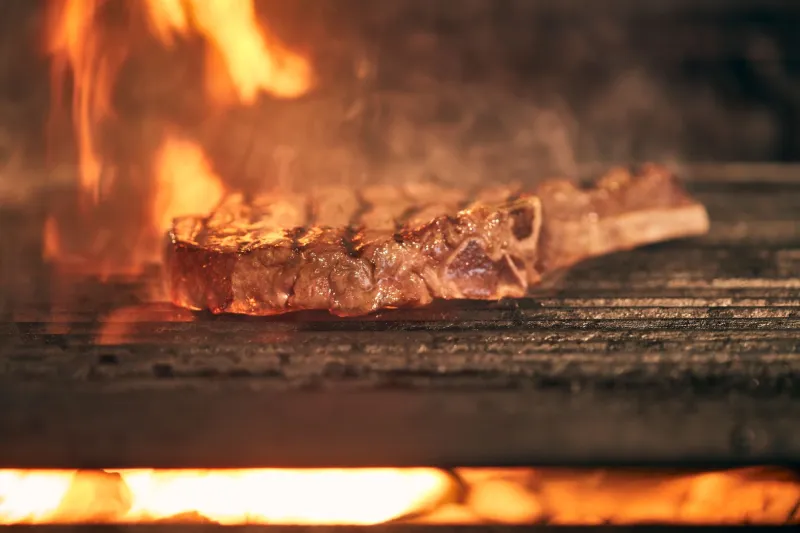
The Five Minutes You're Skipping After Cooking Steak Are the Most Important Ones

The Five Minutes You're Skipping After Cooking Steak Are the Most Important Ones

Cutting into a steak straight from the pan isn't impatience — it's a mistake backed by real science. The resting period after cooking isn't just a suggestion from food snobs; it's the phase where proteins relax, juices redistribute, and the difference between a good steak and a great one is actually made. Here's what's happening inside the meat, and exactly how long to wait.

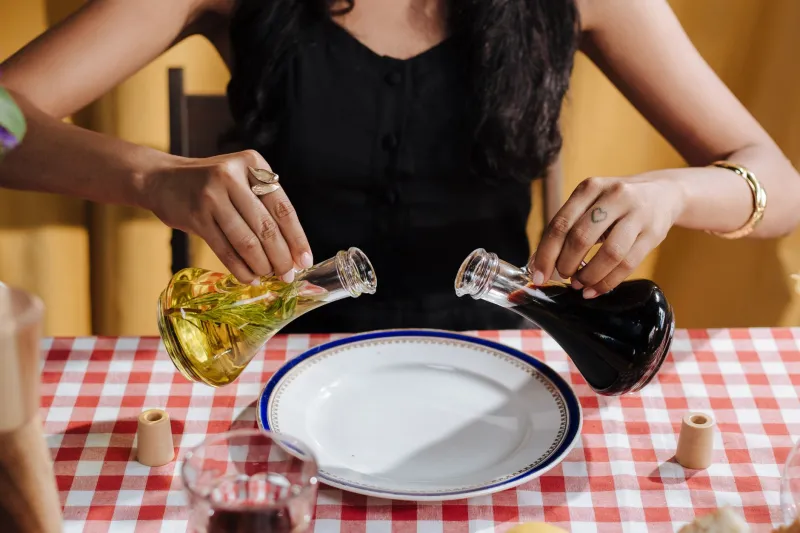
Stop Choosing Your Cooking Oil by Smoke Point — Here's What Actually Matters

Stop Choosing Your Cooking Oil by Smoke Point — Here's What Actually Matters

The smoke point chart on your refrigerator door is giving you incomplete information. What actually determines whether an oil is right for a given cooking task is far more nuanced than a single temperature number — and getting it wrong can affect both flavor and nutrition in ways you'd never expect.

The Acidity Problem Nobody Talks About — And Why It's Ruining Your Homemade Tomato Sauce

The Acidity Problem Nobody Talks About — And Why It's Ruining Your Homemade Tomato Sauce

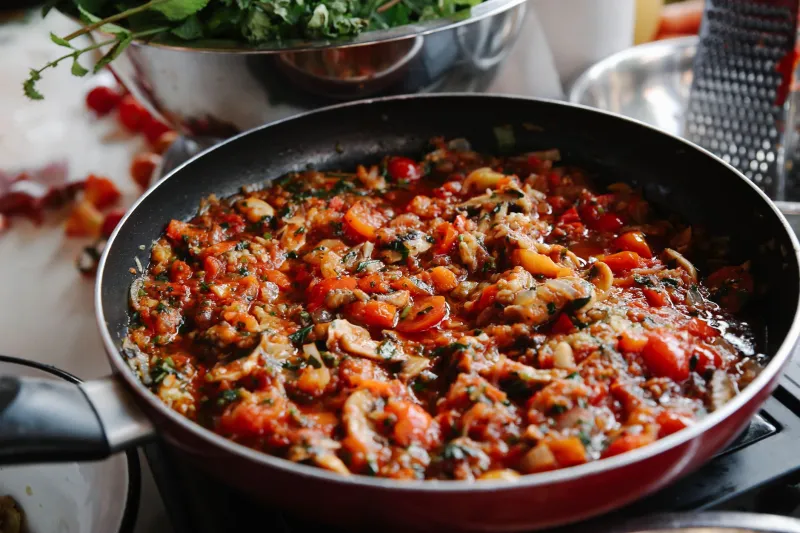
If your homemade tomato sauce always tastes a little sharp or flat compared to what you get at your favorite Italian spot, the issue probably isn't your tomatoes or your simmer time. It's acidity — and once you understand how to manage it, your sauce will never taste the same way twice. Here's the food science that professional kitchens quietly rely on.

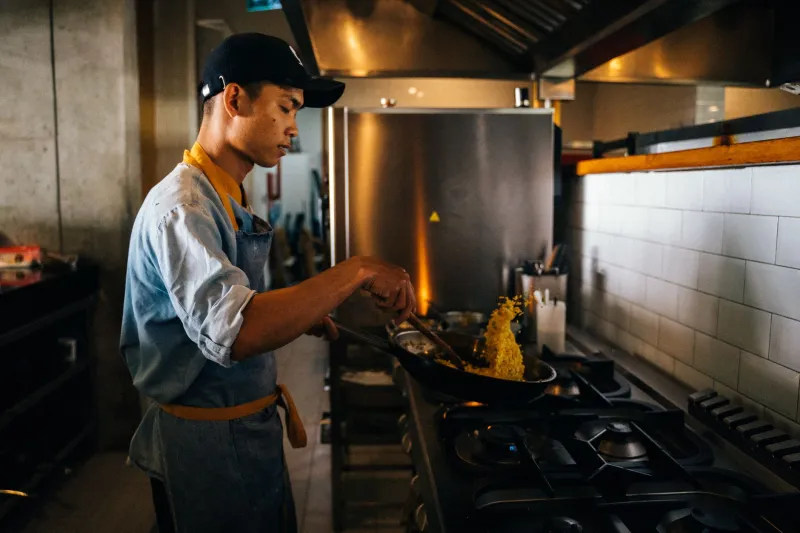
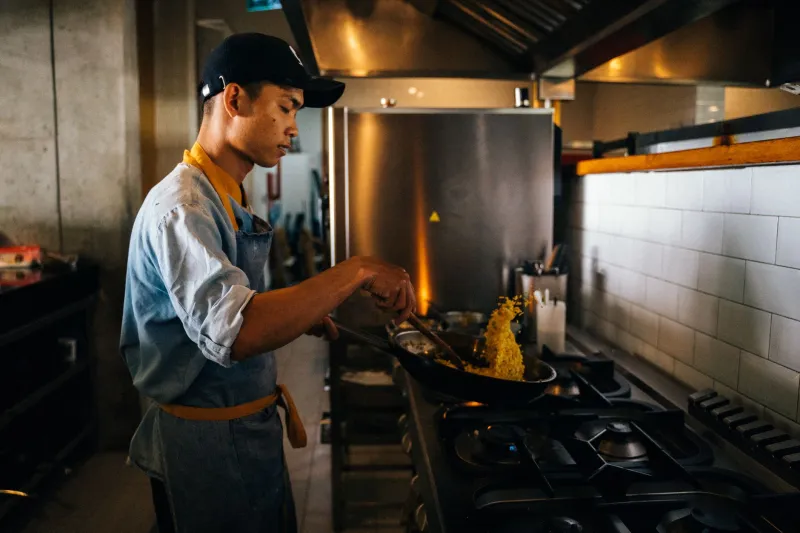
That Smoky, Charred Magic in Takeout Fried Rice Has a Name — Here's Why You Keep Missing It at Home

That Smoky, Charred Magic in Takeout Fried Rice Has a Name — Here's Why You Keep Missing It at Home

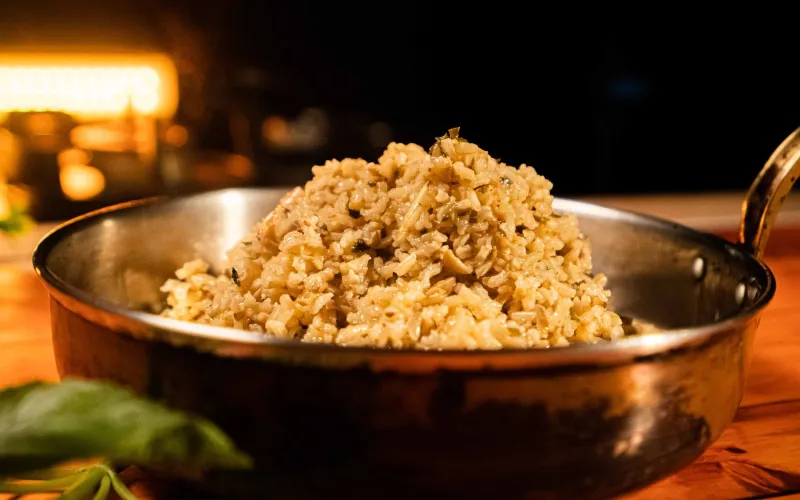
That elusive smoky depth in restaurant fried rice isn't just seasoning — it's a specific chemical reaction called wok hei, and your home burner is almost physically incapable of producing it. Understanding what's actually happening inside a screaming-hot wok changes everything about how you approach the dish. Here's the science, and here's how to get measurably closer without a commercial range.

The Smoky Restaurant Secret Your Home Stove Is Quietly Killing — And How to Fight Back

The Smoky Restaurant Secret Your Home Stove Is Quietly Killing — And How to Fight Back

That deep, smoky complexity in restaurant fried rice isn't coming from a special sauce or a secret ingredient — it's a chemical reaction called wok hei, and your home burner is almost certainly working against you. Understanding the heat science behind it changes everything about how you approach the dish. Here's what's actually happening in that wok, and the workarounds that get you surprisingly close at home.

Garlic Burns in Seconds, Onions Take Forever — Here's the Science That Explains Both

Garlic Burns in Seconds, Onions Take Forever — Here's the Science That Explains Both

Garlic and onions are practically glued together in recipe instructions, but they behave nothing alike in a hot pan. Understanding the food science behind their differences — sugar content, water activity, cell structure — gives you the power to cook both perfectly every time. Once you get this, you'll never scorch your garlic again.

Your Soup Tastes Watery Because You're Skipping These Three Steps

Your Soup Tastes Watery Because You're Skipping These Three Steps

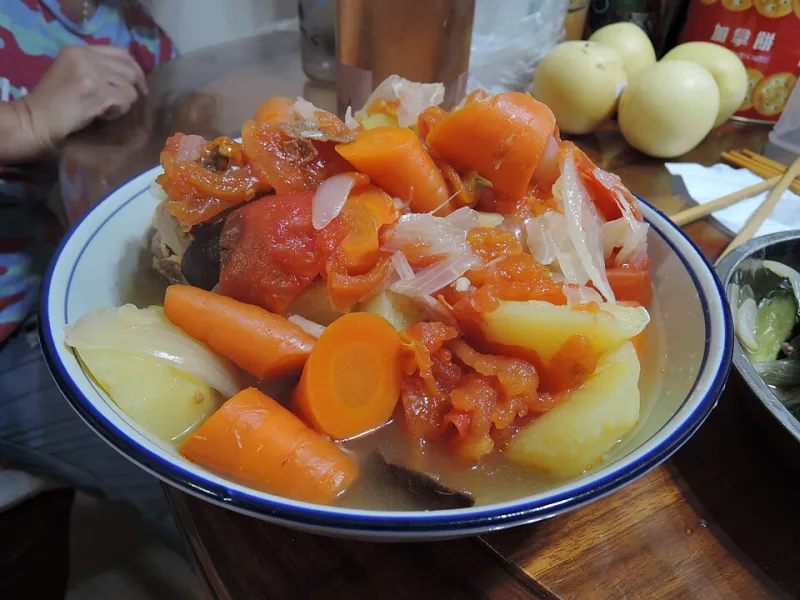
You followed the recipe to the letter, so why does your soup taste like warm water with vegetables floating in it? The gap between a flat bowl of homemade soup and the kind of deeply satisfying stuff you get at a good restaurant almost always comes down to a handful of techniques most recipes gloss over. Here's the framework professional cooks use every single time.

The Secret Weapon Hiding in Your Pasta Pot (And Why You Keep Pouring It Down the Drain)

The Secret Weapon Hiding in Your Pasta Pot (And Why You Keep Pouring It Down the Drain)

That cloudy, salty water left in your pasta pot isn't waste — it's one of the most powerful finishing tools in Italian cooking. Understanding the food science behind dissolved starch transforms an easy-to-overlook habit into the single biggest upgrade you can make to your weeknight pasta game. Here's exactly what's happening in that pot, and how to use it.

Stop Blaming Yourself for Dry Chicken — Blame Your Technique Instead

Stop Blaming Yourself for Dry Chicken — Blame Your Technique Instead

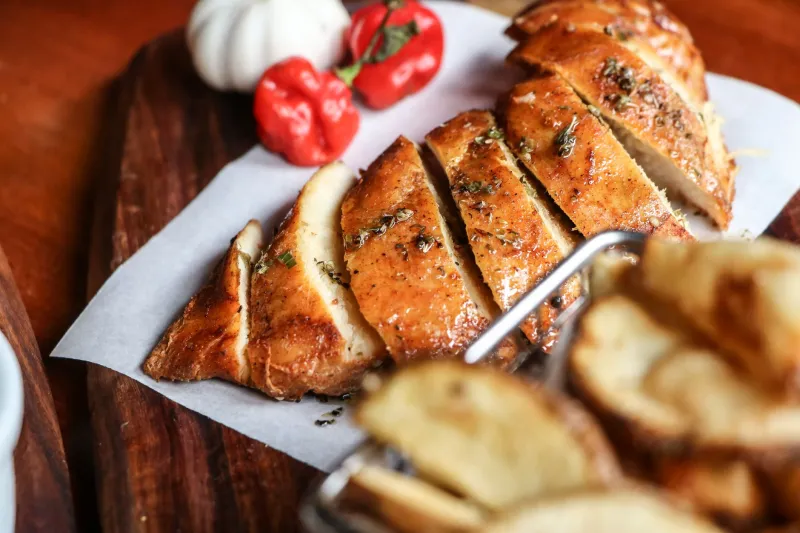
Dry, rubbery chicken breast is one of the most common complaints in the American home kitchen — and it's almost never the cook's fault in the way they think. The real culprits are subtler: misleading temperature targets, uneven cuts, and a physics phenomenon called carryover cooking that most recipes never bother to explain.